
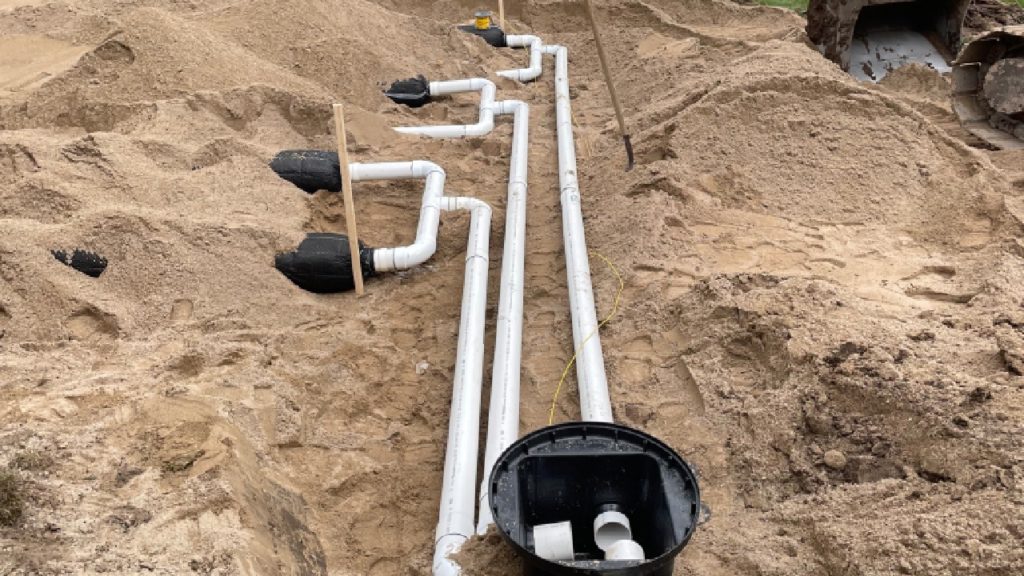
Your septic system handles wastewater every day, so it is easy to assume everything is fine as long as your toilets flush and your drains work. However, solids gradually build up inside your septic tank. If you put off pumping for too long, that buildup can eventually affect your drain field and lead to expensive problems.
Understanding how your tank and drain field work together can help you recognize why regular pumping matters and when it is time to schedule service.
How an Overdue Septic Tank Affects Your Drain Field
Inside your septic tank, heavier solids settle to the bottom as sludge, while oils and grease form a floating layer called scum. The liquid wastewater between these layers flows out toward the drain field for further treatment.
As sludge and scum accumulate, they take up more space inside the tank. If the tank is not pumped when needed, solids can move into the outlet and travel toward the drain field. These materials may clog the soil or distribution components, making it harder for wastewater to drain and receive proper treatment.
Once a drain field becomes damaged or overloaded, resolving the problem can be much more involved than arranging a routine pump-out. In some cases, repairs or replacements may be necessary.
Warning Signs You Should Not Ignore
Your system may show signs of trouble when wastewater is no longer moving through it properly. Watch for:
- Slow drains in several areas of your home
- Gurgling sounds from toilets or plumbing fixtures
- Sewage odours near the tank or drain field
- Wet or unusually soggy ground around the drain field
- Sewage backing up into sinks, showers, or toilets
- Patches of grass that become unusually green or lush
These symptoms do not always mean your tank simply needs pumping. Blocked pipes, damaged components, or drain field failure can cause similar problems. If you notice any of these warning signs, seek professional septic system pumping services and an assessment rather than assuming a pump-out alone will fix the issue.
Why Staying on Schedule Matters
There is no universal pumping schedule for every property. The right timing depends on your tank size, household occupancy, water use, and how much solid waste enters the system. A busy household with a smaller tank may need service more often than a home with fewer occupants and a larger tank.
Keeping records of past septic system pumping appointments can help you track maintenance and plan the next service. If you are unsure when your tank was last pumped, an inspection can help determine its current condition and whether service is due.
Protect Your Drain Field Between Pump-Outs
Pumping is important, but daily habits also affect how well your system performs. Spread laundry loads throughout the week instead of sending large amounts of water into the tank at once. Repair leaking taps and toilets, and avoid flushing wipes, paper towels, grease, or other items that can contribute to blockages.
It is also important to protect the drain field itself. Keep vehicles and heavy equipment off the area, avoid building structures over it, and be mindful of deep-rooted trees that may interfere with underground pipes.
These steps cannot replace scheduled pumping, but they can reduce unnecessary strain on your system.
Keep Small Maintenance Tasks from Becoming Big Repairs
Putting off a pump-out may seem like a way to save money in the short term, but an overloaded tank can place your drain field at risk. Regular servicing helps remove accumulated solids and gives you an opportunity to identify concerns before they become more disruptive.
At Snork’s Septic Service, we provide septic tank maintenance and pumping for homeowners throughout Southern Ontario. Our team can assess your system, explain what needs attention, and help you plan appropriate care.
If you are unsure whether your tank is overdue or have noticed changes around your drain field, contact us to arrange professional septic service.