
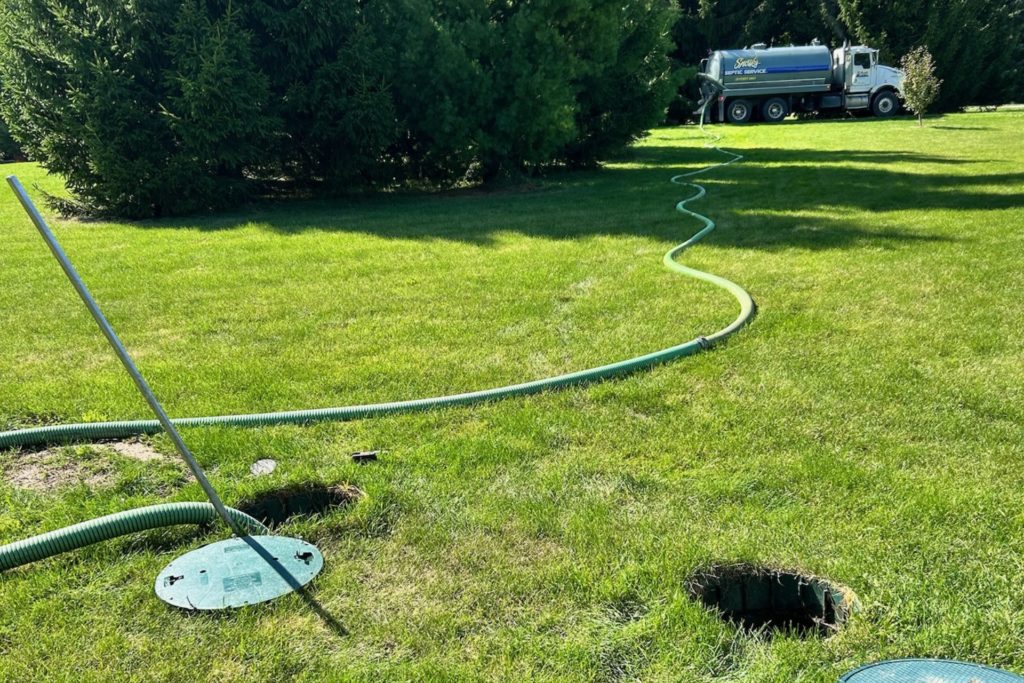
A septic tank plays an important role in managing wastewater from your home, but it needs regular care to keep working properly. One of the most important parts of septic care is knowing when your tank needs to be pumped.
Waiting too long between pump-outs can lead to backups, unpleasant odours, and damage to your septic system. While there is no single schedule that works for every home, understanding the factors that affect pumping frequency can help you make better decisions.
The General Rule for Septic Pumping
Most septic tanks should be pumped every three to five years, but the right timing depends on how your system is used. Some households may need more frequent pumping, while others may be able to wait longer.
Several factors can affect how quickly solids build up in your tank, including:
- The number of people living in your home
- The size of your septic tank
- The amount of wastewater your household produces
- The use of garbage disposals
- The overall condition of your septic system
A smaller tank serving a larger household will typically require more frequent maintenance compared to a larger tank with lighter use.
Why Regular Pumping Matters
Over time, solid waste collects at the bottom of your septic tank. If too much buildup occurs, there may not be enough space for proper separation between solids, liquids, and wastewater.
Regular septic system pumping helps remove accumulated solids before they cause problems. Professional septic tank pump out services can also help protect your drain field by preventing excess solids from entering areas where they do not belong.
Keeping up with routine pumping supports better system performance and can help avoid more expensive repairs in the future.
Signs Your Septic Tank May Need Pumping
Although following a regular schedule is important, your septic system may show warning signs before your next planned service.
Common signs that your tank may need attention include:
- Slow drains throughout your home
- Gurgling sounds from plumbing fixtures
- Sewage odours around your property
- Water pooling near the drain field
- Sewage backups inside your home
- Unusually green grass over the septic area
These issues should not be ignored. Addressing them early can help prevent a minor concern from becoming a major septic problem.
How Professional Pumping Helps Protect Your System
A proper pump-out involves more than simply removing waste from your tank. Professional technicians can also check for signs of damage, inspect key components, and provide recommendations based on your system’s condition.
Regular septic waste removal helps maintain a healthier septic system by reducing excess buildup and supporting proper wastewater treatment. This preventative approach is especially important for rural properties that rely on septic systems as part of their everyday wastewater management.
Factors That Can Change Your Pumping Schedule
Your household habits can have a major impact on how often pumping is needed. For example, a home with frequent laundry use, high water consumption, or many occupants may require more frequent service.
Seasonal homes and cottages may have different maintenance needs compared to full-time residences. Even if a property is not used year-round, the septic system should still be monitored and maintained properly. A professional assessment can help determine the best schedule based on your specific system and household needs.
Keep Your Septic System Running Smoothly
Regular pumping is one of the simplest ways to protect your septic investment. By staying aware of your system’s condition and scheduling service before problems occur, you can reduce the risk of unexpected failures.
At Snork’s Septic Service, we provide reliable septic solutions for homeowners. From routine residential sewage pumping to ongoing system care, our team helps keep septic systems operating efficiently with honest recommendations and environmentally responsible practices.
If you are unsure whether your septic tank is due for pumping, contact our team today to schedule an inspection or service appointment.